

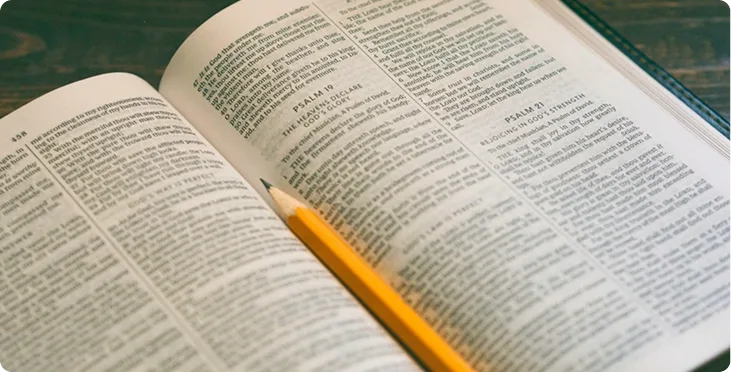


Introduction: Night Whispers from Heaven
Have you ever woken up from a dream that felt more real than reality? One that stirred your spirit, left you pondering for days, or even carried a weight that lingered longer than any movie or memory? You’re not alone—and you’re not imagining things. In fact, you may have just experienced a prophetic dream.
Scripture tells us that while men sleep, God speaks. Job 33:14–16 (NKJV) declares:
“For God may speak in one way, or in another, yet man does not perceive it. In a dream, in a vision of the night, when deep sleep falls upon men, while slumbering on their beds, then He opens the ears of men, and seals their instruction.”
This passage reveals something profound: God speaks when we are still enough to hear Him. During the day, our minds are cluttered with responsibilities, thoughts, noise, and distraction. But at night—when the body rests and the soul loosens its grip—our spirits become more receptive to the whispers of heaven.
Prophetic dreams are not just a curiosity or spiritual side-effect. They are intentional messages from God, meant to warn, guide, correct, reveal, and confirm. From Joseph in Egypt to Daniel in Babylon, from the Magi in Bethlehem to Pilate’s wife during Christ’s trial—God has used dreams to alter history, preserve destinies, and confront kings.
Yet in the modern church, dreams are often dismissed as psychological leftovers or strange phenomena. Few are taught how to test and interpret what they see at night. Even fewer recognize the patterns, symbols, and spiritual language that God consistently uses. This leaves many with unanswered questions—and unfulfilled assignments.
But dreams are not just for prophets. According to Acts 2:17, in the last days, “your sons and your daughters shall prophesy… your young men shall see visions, your old men shall dream dreams.” The Spirit has been poured out. The language of the night is awakening again.
This article will walk you through how to recognize when God is speaking through dreams, how to discern if a dream is prophetic, and how to respond with wisdom and spiritual accuracy. We’ll uncover biblical examples, symbolic patterns, and practical tools so that you don’t just dream—you discern.
Your pillow could be more than a place of rest—it may be the altar where God seals instructions for your future.
Are you listening when heaven speaks at night?
Biblical Foundations: Does God Really Speak in Dreams?
The question isn’t “Can God speak through dreams?”—He already has. The real question is, “Are we discerning it when He does?” The Bible is filled with examples of God speaking through dreams to warn, direct, encourage, and reveal. From Genesis to Revelation, dreams are not the exception—they are a norm in God’s communication toolkit, especially for those called to prophetic sensitivity.
Old Testament Examples
The Old Testament is a treasure trove of dream encounters. One of the earliest examples is Abimelech, a pagan king, who was warned in a dream not to touch Sarah, Abraham’s wife (Genesis 20:3). This shows us that God can speak even to unbelievers when it protects His covenant purposes.
Then there’s Jacob, who saw the heavens open and a ladder stretching between earth and glory (Genesis 28:12). That dream wasn’t poetic—it was prophetic revelation. The Lord stood at the top of the ladder and confirmed His covenant to Jacob. Later, in Genesis 31, God used another dream to tell Jacob when to leave Laban’s house.
Perhaps the most famous dreamer in Scripture is Joseph, the son of Jacob. As a young man, God gave him two powerful dreams that foretold his future leadership and calling (Genesis 37). Though his brothers hated him for it, the dreams were accurate. Years later, he would interpret Pharaoh’s dreams—saving Egypt and Israel from famine (Genesis 41).
And then we see Daniel, a seer-prophet in Babylon. Not only did he receive dreams and visions from God, but he was also gifted to interpret the symbolic dreams of pagan kings—releasing divine wisdom into corrupt empires (Daniel 2, Daniel 4, Daniel 7). These dreams weren’t random; they carried global prophetic implications.
In Numbers 12:6, God says plainly:
“If there is a prophet among you, I, the Lord, make Myself known to him in a vision; I speak to him in a dream.”
It’s not merely that God can speak this way—it’s that He has chosen to, especially when deeper messages must bypass our mental filters.
New Testament Confirmation
Some may argue, “But that’s Old Testament. Aren’t dreams outdated now that we have the Holy Spirit?” On the contrary—the New Covenant doesn’t replace dreams. It activates and multiplies them.
In Matthew 1–2 alone, Joseph, the earthly father of Jesus, receives four separate dreams from God. In these dreams, he is told to marry Mary, flee to Egypt, avoid Herod’s son, and return to Nazareth. The entire protection and guidance of the holy family were orchestrated through dreams. God didn’t send an angel each time—He chose the vehicle of dreams.
The Magi were also warned in a dream not to return to Herod (Matthew 2:12). Later, Pilate’s wife dreams about Jesus during His trial and sends a warning to her husband: “Have nothing to do with that just Man” (Matthew 27:19). Even in times of apostasy and cruelty, God broke into the night to send messages.
Then comes Acts 2:17, when Peter quotes Joel’s prophecy on the day of Pentecost:
“And it shall come to pass in the last days, says God, that I will pour out of My Spirit on all flesh… your old men shall dream dreams, your young men shall see visions.”
This is not poetic language. It is a prophetic promise. God’s end-time strategy includes activating dreams and visions across generations, not as spooky phenomena, but as tools to build, warn, prepare, and reveal.
So, yes—God really does speak in dreams, and He has never stopped. It’s not a question of permission—it’s a matter of perception.
Why Dreams? God’s Purpose Behind Night Visions
If God already speaks through His Word, the inner witness, and His Spirit—why does He use dreams at all? Why wait until we’re unconscious to say something important? The answer is deeply spiritual: dreams bypass the noise of the soul to access the stillness of the spirit.
When the Mind Sleeps, the Spirit Listens
During the day, your conscious mind is active. You’re filtering thoughts, reacting to external stimuli, analyzing problems, and managing your will. But at night—when your mind shuts down and your defenses are lowered—your spirit becomes more sensitive. This is why God often chooses the dream realm to deliver messages that your waking mind might resist or rationalize away.
Job 33:15–16 (NKJV) puts it like this:
“In a dream, in a vision of the night, when deep sleep falls upon men, while slumbering on their beds, then He opens the ears of men, and seals their instruction.”
The Hebrew phrase here, “seals their instruction,” means to imprint or engrave divine counsel on the soul. Dreams are more than images—they are spiritual downloads that carry weight, clarity, and sometimes even impartation.
God often waits until you’re asleep so He can speak without interruption, without argument, and without the clutter of daily life. He meets you in that quiet chamber of rest and whispers eternal things.
Dreams as Warnings, Direction, and Revelation
God uses dreams in at least three major prophetic functions:
1. Warning
- Joseph was warned in a dream to flee Herod’s plan (Matthew 2:13).
- The Magi were warned not to return to Herod (Matthew 2:12).
- Nebuchadnezzar was warned of pride through a troubling dream (Daniel 4).
God often uses dreams to expose enemy assignments, impending danger, or areas where repentance is needed. He sends the warning before the storm.
2. Direction
- Jacob received direction from the Lord regarding Laban’s house (Genesis 31).
- Paul had a night vision of the Macedonian man, leading him to change his ministry route (Acts 16:9–10).
These are moments when heaven opens a path you wouldn’t have seen otherwise. God doesn’t just warn—He also guides.
3. Revelation and Destiny
- Joseph’s early dreams revealed his future rulership (Genesis 37).
- Daniel’s night visions unlocked end-time prophetic blueprints (Daniel 7).
- Peter’s vision on the rooftop (Acts 10) changed the trajectory of the Church, ushering in the Gentiles.
Sometimes, a single dream can unlock a generational assignment. One dream can shift your theology, reveal hidden truths, or confirm a calling that has been buried under doubt.
God never wastes a dream. If He’s speaking to you at night, there’s a reason. In the next section, we’ll look at five key indicators to help you recognize when a dream is truly prophetic.
5 Signs Your Dream May Be Prophetic
Not every dream is from God. Some are simply mental processing from your day. Others may be influenced by the soul—emotions, fears, or even what you ate for dinner. But then there are those rare, unmistakable dreams that mark your spirit and carry the weight of eternity.
So how do you know when a dream is more than just a dream?
Here are 5 signs your dream may be prophetic—a divine message sent from heaven while you sleep.
1. It Sticks With You After Waking
Have you ever had a dream that clings to your spirit like dew on morning grass?
One of the first signs that a dream may be prophetic is its longevity. While most dreams fade within minutes, prophetic dreams linger. They imprint on your memory and evoke reflection even days or weeks later.
Jeremiah 23:28 says,
“The prophet who has a dream, let him tell a dream… What is the chaff to the wheat?”
Prophetic dreams are like wheat—they nourish and sustain. If the dream follows you into your prayer life, meditation, or conversation, it may be God speaking.
2. It Aligns with Scripture
God will never give you a dream that violates His written Word. Prophetic dreams always carry the heartbeat of heaven—revealing God’s character, confirming His truth, and calling you into obedience.
Even if the dream is symbolic or mysterious, its message will never contradict Scripture.
Isaiah 8:20 reminds us,
“To the law and to the testimony! If they do not speak according to this word, it is because there is no light in them.”
Always hold your dreams up to the light of Scripture. If the message leads you to truth, repentance, courage, or Jesus Himself—pay attention.
3. It Involves Symbols or Numbers
Prophetic dreams often contain layers of symbolic imagery: animals, colors, weather, locations, or numbers. These are the parables of the night—spiritual truths wrapped in visual metaphors.
- White may speak of purity.
- Snakes often represent deception or demonic attack.
- Numbers like 3 (Trinity), 7 (completion), 12 (government) carry biblical weight.
- Mountains may symbolize obstacles, authority, or divine encounters.
God used symbols in Pharaoh’s dreams (Genesis 41), Nebuchadnezzar’s (Daniel 2), and Daniel’s visions (Daniel 7–8). The Holy Spirit is the same today—He loves to use imagery that speaks to your spirit, not just your intellect.
When interpreting symbols, ask:
- What does this mean in the Bible?
- How did I feel in the dream?
- Does this symbol appear repeatedly in my life?
4. It Evokes Deep Emotion or the Fear of the Lord
Prophetic dreams often leave a spiritual residue—a feeling of awe, conviction, or urgency.
You may wake up:
- Shaken, with trembling or tears.
- Grieved, over something God is highlighting.
- Exhilarated, by a sense of glory or divine calling.
- Or burdened, to pray or intercede.
The dream might feel so holy you hesitate to speak it aloud. This is the fear of the Lord—a sure sign the dream came from the throne room, not your subconscious.
Ecclesiastes 5:7 warns,
“For in the multitude of dreams and many words there is also vanity. But fear God.”
Prophetic dreams lead you to worship, repentance, or prayer. They don’t entertain—they awaken.
5. It Repeats or Builds Over Time
When God is emphasizing something, He often speaks it more than once.
Joseph had two similar dreams about his destiny (Genesis 37). Pharaoh had two dreams with the same message (Genesis 41). This repetition is a biblical confirmation pattern—God saying, “Pay attention. I’m serious.”
You may notice:
- A recurring theme in multiple dreams.
- A dream that continues or “picks up” from a previous one.
- A new dream that confirms what God said earlier.
This is God’s way of sealing the matter (Genesis 41:32) and inviting you to respond.
The Role of the Holy Spirit in Interpreting Dreams
Dreams may come in the night, but interpretation comes from the Spirit.
Just as Joseph told Pharaoh, “Do not interpretations belong to God?” (Genesis 40:8, NKJV), so must every believer learn to lean not on personal opinion or dream dictionaries, but on the person of the Holy Spirit. He alone knows the mind of God and the secrets embedded in the parables of the night.
Dreams—especially prophetic ones—are often filled with mystery. They’re layered in symbolism, numbers, strange locations, or seemingly disjointed events. If you’re not careful, you’ll either dismiss them entirely or misinterpret them through soulish filters or cultural assumptions.
But here’s the good news: You have a built-in interpreter.
The Spirit as Teacher and Revealer
John 16:13 tells us,
“However, when He, the Spirit of truth, has come, He will guide you into all truth… and He will tell you things to come.”
This is not limited to doctrinal truth. It includes prophetic clarity, dream interpretation, and discernment of divine timing. The Holy Spirit reveals what symbols mean, what God is emphasizing, and how you’re meant to respond.
When Daniel interpreted dreams, he didn’t rely on intellect—he sought “the mercies from the God of heaven concerning the secret” (Daniel 2:18). His posture was one of dependence.
You must do the same.
Before rushing to Google or a “dream meanings” book, go to your knees. Ask the Holy Spirit:
- “What are You saying, Lord?”
- “What does this image mean in Your Word?”
- “Is this for me or someone else?”
- “Is this now or for the future?”
Dream interpretation is less about formulas and more about friendship. The more you walk with the Spirit, the more fluent you become in God’s dream language.
Beware of Counterfeit Interpretation
Not every dream interpreter is Spirit-led. In Scripture, we see both Joseph and Daniel serving in pagan courts filled with false dream interpreters—sorcerers, astrologers, and magicians. Today, the counterfeit still exists.
New Age, witchcraft, or “universal energy” interpretations are dangerous substitutes. They use similar language but lack the Spirit of truth and the fear of the Lord. Many Christians unknowingly open themselves to confusion by mixing the sacred with the strange.
You don’t need the world’s methods. You have the Spirit of God within you, the same Spirit who inspired every dream and vision recorded in Scripture.
Biblical Symbols and Prophetic Imagery in Dreams
Prophetic dreams often speak in a language of pictures, colors, numbers, objects, people, places, and patterns. These images may feel strange at first, but they are not random. Just like Jesus taught in parables—earthly stories with heavenly meaning—God speaks in dreams using symbols to conceal truth for the humble and hungry to uncover.
Proverbs 25:2 (NKJV) says:
“It is the glory of God to conceal a matter, but the glory of kings is to search out a matter.”
Dreams invite you to search, pray, and ask, “Lord, what are You showing me?” When interpreted through the lens of Scripture and the Spirit, these images become powerful keys that unlock understanding.
Let’s look at a few common biblical symbols and what they often represent:
Animals
- Lions – Can represent strength, authority, or Christ (the Lion of Judah). But in some dreams, can also represent threats depending on the context (1 Peter 5:8).
- Snakes – Typically represent deception, witchcraft, or hidden danger (Genesis 3).
- Doves – Represent the Holy Spirit, peace, and purity (Matthew 3:16).
- Horses – Can symbolize war, speed, or divine movement (Revelation 6; Zechariah 6).
- Wolves – Often symbolize demonic predators or false teachers (Matthew 7:15).
Always discern based on the dream’s emotion, context, and fruit. A lion may be Jesus in one dream and a demonic force in another.
Colors
Colors in dreams often carry prophetic meaning. Here are a few key ones from Scripture:
- White – Purity, righteousness, holiness (Revelation 19:14).
- Red – War, sacrifice, or the blood of Jesus (Isaiah 63:2; Revelation 6:4).
- Blue – Revelation, heaven, the Word (Exodus 24:10).
- Green – Growth, life, restoration (Psalm 23:2).
- Black – Famine, hidden things, judgment (Lamentations 4:8).
- Gold – Glory, divine nature, kingship (Exodus 25; Revelation 1:13).
Numbers
Numbers in Scripture are loaded with prophetic meaning. Some common ones:
- 1 – Unity, God.
- 3 – Trinity, resurrection, divine completeness.
- 4 – Creation, the world (four corners, four winds).
- 5 – Grace, fivefold ministry.
- 6 – Man, flesh, incompleteness.
- 7 – Completion, perfection, covenant.
- 10 – Testing, authority.
- 12 – Government, divine order (12 tribes, 12 apostles).
- 40 – Trial, testing, preparation.
A dream where a number is emphasized—through a clock, a countdown, repetition, or a quantity—should always be prayed through with Scripture in mind.
Environments and Structures
- Houses – Often represent a person’s life, heart, or spiritual condition.
- Rooms – Specific areas in your life (e.g., bedroom = intimacy; kitchen = preparation).
- Vehicles – Ministries, callings, or spiritual momentum.
- Bridges – Transition points; crossing from one season to another.
- Mountains – Obstacles or places of encounter with God (Exodus 19, Matthew 17).
- Water – Can represent the Spirit, cleansing, or sometimes danger or spiritual warfare (Revelation 22:1; Isaiah 43:2).
Remember: symbols are not always universal. The same image may carry different meanings in different contexts. That’s why relationship with the Holy Spirit is essential in interpretation. He knows how to tailor the message to your personal journey, just like Jesus did with the disciples.
Dreams speak in symbols, but the Spirit reveals the substance.
How to Test the Source of Your Dream
Not every dream is from God. Some are simply your mind processing the day. Others may be spiritual attacks designed to bring fear or confusion. And still others—though seemingly random—may originate from your own soul, stirred by emotions, unresolved wounds, or unfulfilled desires.
So how do you know which dreams are divine and which ones you should disregard?
1 John 4:1 (NKJV) gives us a sober command:
“Beloved, do not believe every spirit, but test the spirits, whether they are of God…”
The same principle applies to your dreams. Every dream must be tested—not based on how intense it felt, but based on its fruit, source, and alignment with Scripture.
God, Your Soul, or the Enemy?
Let’s break it down:
Dreams from God
- Carry peace, conviction, and clarity—even if the dream is corrective or urgent.
- Align with Scripture and the nature of Christ.
- Often come with spiritual residue—a sense of awe, urgency, or holy fear.
- May call you to action (repentance, intercession, obedience).
God’s dreams lead you to His heart, not into confusion or obsession.
Dreams from the Soul
- Tend to reflect your own desires, anxieties, or recent experiences.
- Often feel emotionally heavy, circular, or disjointed.
- May replay worries, conversations, or scenarios from the day.
- Usually lack the depth, presence, or clarity of a divine dream.
Soul dreams aren’t evil—but they’re not instructional either. Learn to recognize them and move on.
Dreams from the Enemy
- Bring fear, torment, accusation, confusion, or heaviness.
- Often contain dark imagery, sexual perversion, or overwhelming panic.
- May attack your identity, call, or relationships.
- Leave you spiritually oppressed rather than edified.
These are not from God and should be immediately rebuked, covered in the blood of Jesus, and canceled in prayer.
Jesus said in John 10:27,
“My sheep hear My voice, and I know them, and they follow Me.”
The enemy may try to mimic God’s voice, but he cannot replicate His peace, presence, or purity. Discernment comes from spending time with the Shepherd so His voice becomes unmistakable.
The Importance of Peace and Confirmation
Colossians 3:15 says,
“Let the peace of God rule in your hearts…”
The Greek word for “rule” (brabeuō) means to act as an umpire. When testing dreams, peace is your umpire. If you have to force an interpretation or feel anxious trying to understand, pause and pray.
Also, look for confirmation:
- Does the dream echo something God has already spoken?
- Has someone else had a similar dream?
- Does it confirm a Scripture you’ve been meditating on?
- Is the Lord highlighting it repeatedly?
If so—pay attention. God often confirms His voice through patterns, repetition, and inner witness.
The Discipline of Dream Journaling
If God took the time to speak to you in the night, wouldn’t it make sense to write it down?
One of the most overlooked but powerful tools for stewarding prophetic dreams is keeping a dream journal. What may seem like a small, forgettable dream in the moment could be a divine breadcrumb leading to breakthrough, intercession, or even a multi-year unfolding of your destiny. But if it’s not written, it’s easily forgotten.
Revelation not recorded is often revelation wasted.
Habakkuk 2:2 (NKJV) says:
“Write the vision and make it plain on tablets, that he may run who reads it.”
Though originally spoken of a prophetic vision, this principle applies directly to your dream life. Writing what you dream gives you the ability to pray into it, test it, and revisit it when the meaning becomes clear later.
What to Record in Your Dream Journal
You don’t need to be a perfect writer—just intentional. Here’s what to include:
- The Date and Time This helps you track patterns or prophetic timing. Many dreams connect to dates or even Hebrew feasts and spiritual seasons.
- The Full Dream (In Detail) Write the dream out as soon as you wake up—even in bullet points if you’re short on time. Capture scenes, locations, colors, people, numbers, and dialogue. Even small details matter.
- How You Felt During the Dream Your emotions are part of the interpretation. Did you feel peace, fear, urgency, joy, or confusion?
- Your Immediate Thoughts Upon Waking Sometimes the Holy Spirit gives insight or Scripture right after you wake. Don’t ignore that inner whisper.
- Initial Interpretation or Impressions If you feel led, note any immediate sense of meaning. But leave room for the Lord to bring clarity over time.
- Follow-up Scripture or Confirmation Over the coming days, God may confirm the dream through a sermon, verse, word of knowledge, or another dream. Write those links down too.
Benefits of Dream Journaling
- Builds spiritual sensitivity. The more you record, the more your spirit becomes alert to God’s voice at night.
- Reveals patterns and themes. You may begin to see repeated symbols or messages over time.
- Strengthens your memory. What you honor, you retain. Stewarding the little opens the door to more.
- Becomes a prophetic archive. In time, your journal becomes a library of divine conversations—a testament to how God has been leading you.
The Lord watches how we treat what He entrusts. If we dismiss His voice in dreams, we may find that the well of revelation grows quiet. But if we value His whispers, He will speak more.
As Jesus said in Luke 8:18,
“Take heed how you hear. For whoever has, to him more will be given…”
When to Share a Dream and When to Stay Silent
Not every dream is meant to be shared. Some are for intercession. Some are for instruction. Others are for your eyes only—a secret between you and the Lord. Knowing when to speak and when to be silent is part of growing in prophetic maturity.
Just because a dream is powerful, vivid, or emotionally intense doesn’t mean it’s time to tell others. In fact, prematurely sharing a dream can abort its purpose, confuse others, or even invite unnecessary warfare. Dreams are like seeds—they require discernment, timing, and covering.
Biblical Caution: Joseph’s Premature Disclosure
In Genesis 37, young Joseph received two prophetic dreams about his future authority. But instead of hiding the word in his heart and praying over it, he shared it openly with his brothers—and it cost him.
“Then he dreamed still another dream and told it to his brothers…” (Genesis 37:9)
While the dreams were from God and ultimately came to pass, Joseph’s lack of wisdom brought unnecessary rejection, betrayal, and delay. This passage serves as a warning: not everything God shows you is meant for public consumption—yet.
When to Stay Silent
- When the dream is unclear or symbolic, and you don’t yet have understanding.
- When the dream involves other people’s sin, exposure, or correction—especially leaders. Share it only with spiritual authority, not in gossip or assumption.
- When the dream is deeply personal and still working in your heart.
- When the Holy Spirit nudges you with a sense of “wait” or “not now.”
Proverbs 29:11 says,
“A fool vents all his feelings, but a wise man holds them back.”
Silence doesn’t mean disobedience. Sometimes, it’s a strategic honor.
When to Share a Dream
- When God gives you a clear burden to speak or warn someone with humility.
- When a spiritual authority confirms it’s time to release it.
- When the dream aligns with a public word, sermon, or unfolding event and you feel God’s prompting.
- When the dream is for the edification, encouragement, or equipping of others (1 Corinthians 14:3).
Even then, share it with a heart posture of humility and accountability. Say things like:
- “I had a dream I believe may be from the Lord. I will submit this for testing.”
- “Please weigh this prayerfully and let me know what you sense.”
This kind of language honors the Holy Spirit and invites healthy spiritual dialogue.
Silence is a weapon in the hands of the mature. And timing is the key that unlocks the impact of a word.
Some dreams are for now. Others are for later. A few may be for eternity. Ask the Holy Spirit for discernment.
Conclusion: Your Pillow Could Be a Prophetic Altar
What if your pillow isn’t just a place to rest your head—but a place where heaven rests on you?
Every night, as the world quiets and your thoughts begin to fade, the Spirit of God hovers. Not far away. Not detached. But near—ready to instruct, reveal, warn, encourage, or awaken something eternal within you. This is the mystery of prophetic dreams: they come when we’re least in control, yet they carry some of God’s most direct communication.
From Genesis to Revelation, from patriarchs to apostles, from prophets to peasants, God has used dreams to shape history. And He’s still doing it. Your night hours are not wasted time—they may be strategic hours of divine impartation.
Maybe you’ve been brushing off your dreams, assuming they were silly or just psychological static. Or perhaps you’ve had vivid dreams but didn’t know how to interpret them. Today, the Spirit invites you to look again. Ask Him to make you sensitive. Ask Him to speak clearly. Ask Him to anoint your nights just as He anoints your days.
Psalm 16:7 says,
“I will bless the Lord who has given me counsel; my heart also instructs me in the night seasons.”
Don’t overlook the night season. God has instructions waiting.
So, set a notebook beside your bed. Ask for the Spirit of revelation. Plead the blood of Jesus over your rest. And when you close your eyes, say, “Speak, Lord, for Your servant is listening.”
Because the next dream may carry a word for your family, your calling, or your nation.
Your bedroom might just be a prophetic altar in disguise.
FAQs
1. Can all believers have prophetic dreams?
Yes. According to Acts 2:17, prophetic dreams are a part of the outpouring of the Holy Spirit in the last days—available to sons and daughters, young and old alike.
2. What if I can’t remember my dreams?
Ask the Holy Spirit to help you retain what He reveals. Keep a journal nearby and write down anything you recall, even if it’s small. The more you steward the little, the more will be given.
3. Should I be afraid of dark or disturbing dreams?
No. Not all disturbing dreams are demonic. Some are warnings from God or calls to intercession. However, if the dream brings confusion or torment, rebuke it in Jesus’ name and cover your mind with peace.
4. Do I need someone else to interpret my dreams?
Not always. While prophetic mentors and spiritual leaders can help, the Holy Spirit is your ultimate guide. Ask Him for wisdom, and He will reveal the meaning in due time.
5. What if I don’t dream at all?
You may be dreaming without remembering. Pray before bed, asking the Lord to speak to you and bring it to remembrance. Fasting, repentance, and removing distractions can also sharpen your spiritual sensitivity.
Call to Action
Have you had a dream you believe might be from the Lord—but you’re not sure what to do with it? Don’t leave it buried.
We’d love to pray with you, help you discern it, or simply equip you with resources to grow in this vital area of spiritual life.
Connect with Haniel Singh Ministries today:
https://www.hanielsingh.org/contact-us/Your dream might be the beginning of your next assignment.