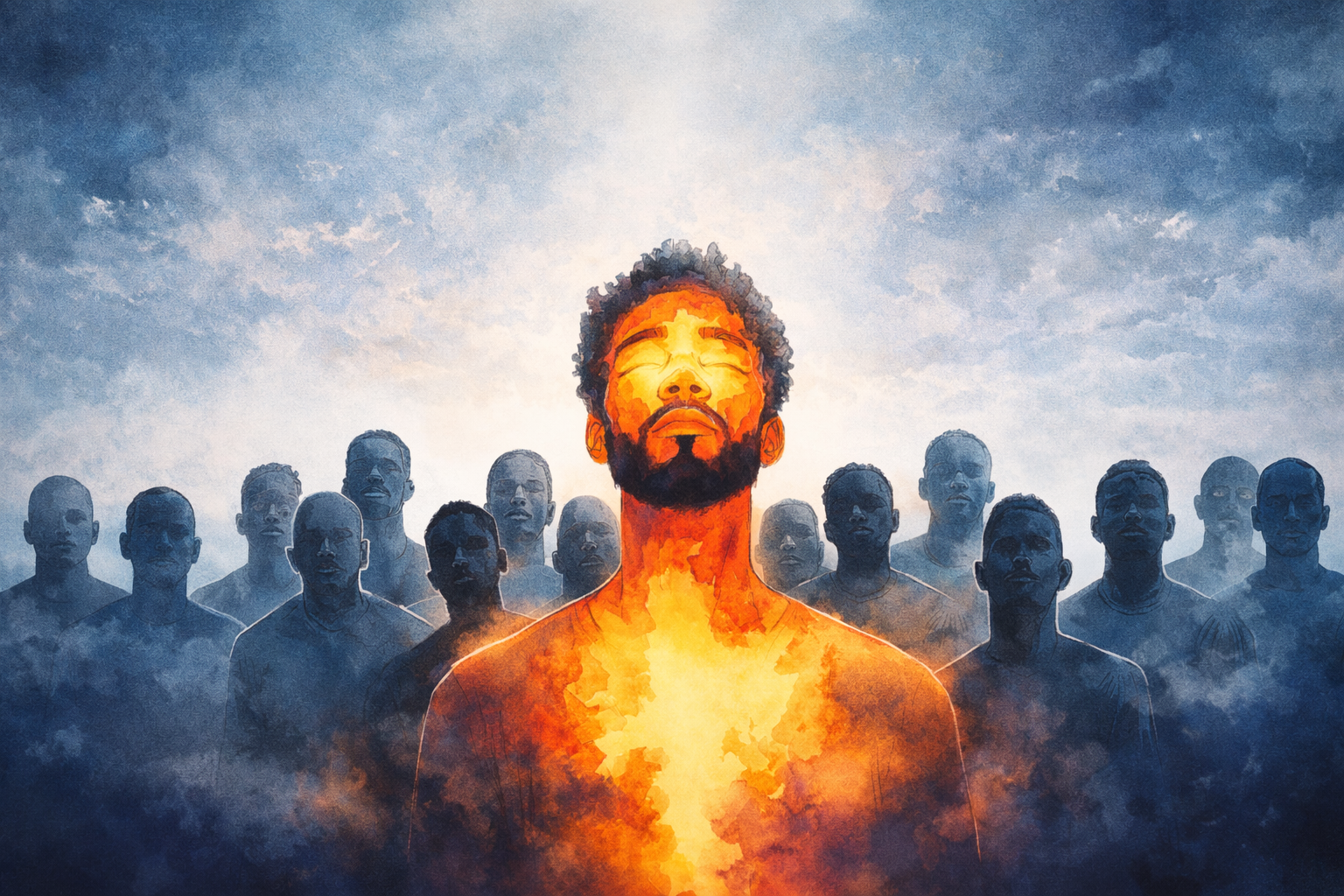

Introduction: The Unseen Battle Over Cities and Nations
There are battles being waged over cities that never make the evening news. There are thrones ruling over nations that are unseen by human eyes but deeply felt in spiritual atmospheres. From generational bloodshed to occult strongholds, from religious deception to systemic injustice—these are not just social problems. They are territorial battles for dominion.
Behind every cultural movement, every economic cycle, and every uprising or revival is a spiritual infrastructure. Whether demonic or divine, realms of authority are always at work behind the scenes. As believers, especially those walking in prophetic and apostolic callings, we are not called to be passive observers. We are called to discern, confront, and transform.
This is where spiritual mapping comes in.
Spiritual mapping is not a mystical practice or conspiracy theory—it is a biblically grounded prophetic tool for discerning what rules a region, and how the people of God are to respond. It is the process of uncovering the spiritual history, strongholds, covenants, and gatekeepers that influence a territory, so that Heaven’s government can be rightfully established on earth.
Just as the tribes of Israel were assigned specific lands, cities, and boundaries—just as the apostles were sent to defined regions—so too must we understand our geographic callings and spiritual jurisdictions. You cannot take authority over what you do not understand. You cannot displace what you have not first discerned.
In this article, we’ll explore the prophetic and apostolic dimensions of spiritual mapping—how it works, why it’s essential, and how to walk it out with integrity, wisdom, and fire. Prepare to see your city through Heaven’s eyes.
What Is Spiritual Mapping?
Spiritual mapping is the prophetic and strategic practice of discerning the spiritual landscape of a territory—identifying demonic strongholds, historic sins, covenants, gates, altars, and ruling principalities that influence a geographic region. It is both revelatory and investigative, combining biblical discernment with practical research, prophetic insight, and intercessory engagement.
Think of it as spiritual reconnaissance. Just as Israel sent spies to scope out the land before taking it (Numbers 13), the Church must also gain prophetic intelligence before advancing in Kingdom warfare. We do not wrestle against flesh and blood (Ephesians 6:12)—but we must still know where and how the enemy is entrenched.
Spiritual mapping equips apostolic teams to:
- Identify gateways and entry points for demonic activity (e.g., abortion clinics, Freemasonry lodges, historic bloodshed sites)
- Understand covenants and iniquities tied to land, cities, or even neighborhoods
- Recognize territorial spirits that operate through false religion, witchcraft, corruption, and idolatry
- Strategize prayer walks, repentance acts, and declarations that dismantle demonic rule
- Release the prophetic word of the Lord to reclaim ground for the Kingdom
This isn’t about superstition or hyper-spirituality. It’s about spiritual jurisdiction. You cannot take ground you don’t understand. You cannot tear down thrones you cannot name. Spiritual mapping brings clarity to the battlefield so we war with precision.
Before revival can be sustained in a region, the gates must be cleansed, the altars must be reclaimed, and the airspace must be shifted. Spiritual mapping gives the Church tools to do just that—not in fear, but in boldness and alignment with heaven.
Next, let’s see how this is firmly rooted in Scripture in:
Biblical Foundations for Territorial Authority
The concept of territorial spirits and regional authority isn’t a modern invention—it is thoroughly biblical. From Genesis to Revelation, God reveals that nations have destinies, lands can be defiled, and spiritual beings are assigned to geographic regions. To engage in spiritual mapping without understanding this foundation is to war blindly. But with it, we can step into prophetic clarity.
3.1 Daniel’s Battle Over Persia and Greece
Perhaps the clearest example of territorial warfare comes in Daniel 10, where Daniel fasts and prays for 21 days. When the angel finally appears, he explains:
“Do not fear, Daniel, for from the first day that you set your heart to understand… your words were heard… But the prince of the kingdom of Persia withstood me twenty-one days… and now I must return to fight with the prince of Persia; and when I have gone forth, indeed the prince of Greece will come.” (Daniel 10:12–13, 20 NKJV)
This was no metaphor. The “prince of Persia” and “prince of Greece” refer to demonic territorial spirits—ruling entities over regions and empires. They opposed the word of the Lord and sought to block divine revelation. Daniel’s intercession and fasting engaged these unseen forces. This is spiritual mapping and warfare in action.
3.2 Jesus Casting Out Regional Spirits
In Mark 5, Jesus crosses into the region of the Gadarenes and encounters a man possessed by Legion. Notice the demon’s plea:
“Send us to the swine, that we may enter them… So those who fed the swine fled… and they told it in the city and in the country.” (Mark 5:12–14 NKJV)
The demonic force did not want to leave the territory. It had a legal claim to that region. Jesus’ action not only freed the man but also disrupted a territorial stronghold. The economy, culture, and people were all impacted.
3.3 Paul’s Assignments by Region
Paul was not just an evangelist—he was an apostle to regions. In 2 Corinthians 10:13 he writes:
“We, however, will not boast beyond measure, but within the limits of the sphere which God appointed us—a sphere which especially includes you.” (NKJV)
The Greek word for “sphere” is kanōn, meaning “measured boundary” or “region of jurisdiction.” Paul knew his spiritual assignments were tied to geographic boundaries. This was not random—it was by divine design.
The Bible consistently reveals that spiritual activity is linked to locations, assignments, and jurisdictions. Land can be blessed or cursed (Genesis 4:11). Cities can resist the gospel (Matthew 11:20–24). Nations can exalt righteousness or embrace iniquity (Proverbs 14:34). And God raises up voices to confront the spiritual climate of each.
The Hebrew Concept of Gates and Borders
In Hebraic thought, gates and borders were not just physical—they were spiritual and judicial. Gates were places of government, transaction, and judgment, and whoever controlled the gates controlled the city. This is why Scripture repeatedly references elders sitting in the gate, decisions being made in the gate, and even enemies contending at the gate.
“Her husband is known in the gates, when he sits among the elders of the land.” (Proverbs 31:23, NKJV)
“They hate the one who rebukes in the gate, and they abhor the one who speaks uprightly.” (Amos 5:10, NKJV)
In spiritual warfare, gates represent entry points into territories—places where legal transactions occur in the invisible realm. That’s why demonic access often comes through compromised gates:
- Abortion clinics and bloodshed
- Sexual perversion normalized in city centers
- Occultic temples or ancient sacred sites
- Government corruption or judicial unrighteousness
- False religious systems rooted in a region’s history
Borders, too, were sacred in the Old Covenant. God assigned tribes to geographic inheritance (Joshua 13–21), and even warned not to move ancient boundary stones:
“Do not remove the ancient landmark which your fathers have set.” (Proverbs 22:28, NKJV)
When boundaries are spiritually violated—through bloodshed, idolatry, or injustice—the land becomes defiled. This is why spiritual mapping involves not just identifying gates, but also recognizing where borders have been breached by sin, generational iniquity, or ungodly covenants.
Territorial intercession begins with understanding the gates—who occupies them, who has opened them, and who must reclaim them. Apostolic and prophetic teams must learn to stand at the gates in prayer and declare, “Lift up your heads, O you gates!” (Psalm 24:7 NKJV)
The Role of Watchmen and Gatekeepers
In every move of God, watchmen and gatekeepers play a critical role. These are not merely intercessors—they are spiritual guardians assigned to watch over cities, regions, and even nations. In the ancient world, watchmen were stationed on walls to scan the horizon, discern threats, and sound the alarm before the enemy reached the gate. Gatekeepers, meanwhile, were responsible for allowing what came in and what was kept out of the city.
Both roles still exist in the spirit realm today.
“I have set watchmen on your walls, O Jerusalem; they shall never hold their peace day or night… Give Him no rest till He establishes and till He makes Jerusalem a praise in the earth.” (Isaiah 62:6–7, NKJV)
Watchmen are prophetic seers, burdened with regional intercession. They are the first to sense atmospheric shifts, demonic activity, or angelic movement. They don’t just pray generally—they carry a specific assignment for territories. They are often misunderstood, for they weep before others see. They blow trumpets while others sleep.
Gatekeepers, on the other hand, are more apostolic in function. They exercise authority over boundaries, enforce spiritual laws, and shut down demonic access. In the house of God, this can be the elders or leaders who discern what doctrine or influence is allowed in. In cities, these may be apostles and prophetic voices who take responsibility for the gates of influence: media, education, politics, business, and religion.
But here’s the mystery: in true apostolic centers, watchmen and gatekeepers work together. The prophetic sees the breach. The apostolic builds the wall. One discerns; the other governs. Together, they form the governmental backbone of territorial transformation.
Spiritual mapping without these roles is weak. It may diagnose a region’s problem but lacks the weight to change it. Watchmen see. Gatekeepers legislate. And the enemy fears both.
Let’s now explore why this matters practically in
Why Mapping Is Critical in Apostolic Warfare
The Apostolic Church is not simply a teaching center or worship gathering—it is a governmental embassy of the Kingdom of Heaven. Apostles are sent ones (apostolos in Greek), commissioned not just to preach but to establish rule, reclaim territory, and enforce the will of the King. To do this effectively, they must understand the landscape of war.
Spiritual mapping is not optional for apostolic ministries. It is mission intelligence.
You cannot storm a stronghold you haven’t discerned. You cannot overthrow a throne if you don’t know its name. Even Jesus, in Revelation 2, identifies where Satan’s throne is—geographically located in Pergamum. That means apostolic work must be contextual, not just spiritual. It must uncover the demonic infrastructure that has governed a place for generations.
This is especially critical in cities where churches rise and fall quickly, revival meetings flash and die out, or ministries experience unusual resistance and burnout. Many assume it’s a lack of prayer or poor leadership. But often, it’s a territorial assignment that has not been rightly discerned or engaged.
Spiritual mapping gives apostles and prophets the ability to:
- Identify what spiritual battles preceded them in a region
- Recognize the sins and covenants that still speak from the land
- Discern atmospheric oppression or resistance patterns
- Equip the ecclesia to confront darkness with prophetic precision
- Tear down high places through acts of repentance, prayer, and declaration
Like Joshua’s spies, apostolic teams must scout the land before they build. They must go into the high places, identify enemy strongholds, and gather revelation that guides their building strategy.
The early Church turned cities upside down because they understood both spiritual authority and regional assignments. They weren’t scattered evangelists—they were apostolic architects tearing down thrones and building altars.
Next, we will explore what types of strongholds spiritual mapping often reveals in a territory.
Types of Strongholds in Territories
When you engage in spiritual mapping, one of the first things the Holy Spirit begins to reveal is the type of demonic strongholds that dominate a region. These strongholds are not random—they are often tied to a land’s history, its altars, its covenants, and its culture. And while some may overlap, each carries its own atmosphere, resistance, and demonic hierarchy.
7.1 Religious Strongholds
These are some of the most stubborn and deceptive. A religious stronghold masquerades as truth but denies the power of the gospel.
In such places, you often find:
- Cold, powerless churches
- Legalism, control, and manipulation
- Counterfeit gospels and false Christs
- Resistance to the move of the Spirit
- Idolatry masked as tradition
Jesus confronted this in Jerusalem constantly. Paul battled it in Galatia. The spirit of religion erects a counterfeit altar that looks godly but keeps people bound. Regions dominated by religious spirits often persecute prophets and apostles because the voice of truth threatens their false order.
7.2 Political and Economic Strongholds
These often go unnoticed because they’re dressed in the garments of policy and progress. But behind many power structures are demonic systems that entrench corruption, injustice, and oppression.
This includes:
- Government alliances with Freemasonry or occult practices
- Generational political families who use manipulation to control elections
- Redlining, segregation, or economic exploitation
- Systems that resist the gospel under the guise of “neutrality”
Isaiah 10:1–2 speaks of unjust decrees and laws that rob the needy. These strongholds must be broken through intercession, public repentance, and righteous decree.
7.3 Bloodshed and Ancestral Altars
This is one of the heaviest types of strongholds—when the very ground cries out because of innocent blood.
“The voice of your brother’s blood cries out to Me from the ground.” (Genesis 4:10, NKJV)
Bloodshed includes:
- Abortion and child sacrifice
- Slavery and racial violence
- Genocide and ethnic cleansing
- Witchcraft rituals involving blood
- Land theft and broken treaties
When blood cries out, the land becomes defiled. Demons gain access through unrepented bloodshed. Mapping this out allows apostolic teams to call for cleansing, healing, and reconciliation.
7.4 Occult and Witchcraft Zones
These include regions where open occultism, pagan worship, and new age practices flourish. You’ll often see:
- Tarot shops, crystals, psychics
- Pagan festivals and cultural rituals
- Ancient sacred sites (e.g., Native burial grounds, Freemason temples)
- Pornography hubs and human trafficking routes
- High suicide or mental illness rates in specific zip codes
These areas feel spiritually heavy, as if the atmosphere itself is wrapped in darkness. They often resist revival until someone confronts the altar and displaces the ruling spirit.
Each of these strongholds requires different strategies and prophetic insight. You cannot fight a religious principality like you fight one rooted in witchcraft. That’s why spiritual mapping is essential—to name the stronghold and be equipped to tear it down.
How to Conduct Spiritual Mapping
Spiritual mapping is not a casual or one-size-fits-all endeavor. It is a prophetic assignment that requires purity, prayer, discernment, humility, and spiritual authority. Below is a practical process that apostolic and prophetic teams can follow when mapping a city, region, or territory.
8.1 Begin in the Secret Place
Before you gather data, you must first seek the face of the Lord. The authority to discern spiritual terrain comes from intimacy, not information. Fast, pray, and ask the Lord for:
- A burden for the region
- Discernment of what is hidden
- Revelation of His purpose for the territory
- Protection and divine backing
Like Ezekiel, you must be taken by the Spirit into the territory before you can prophesy life into it (Ezekiel 37).
8.2 Gather a Sanctified Team
Mapping should never be done alone. Bring together a team of trusted, mature believers who walk in:
- Prophetic discernment
- Intercession
- Apostolic order
- Biblical literacy
- Humility and accountability
The enemy will retaliate if you map without proper covering. This is not for the immature or unprepared.
8.3 Do Research—Spiritually and Historically
Use both spiritual discernment and historical research:
- Study the history of the region—wars, covenants, revivals, corruption, industries
- Ask: What are the dominant idols or cultural values?
- Visit landmarks and gates—courthouses, universities, abortion clinics, theaters, etc.
- Interview long-time residents and elders for patterns of trauma or blessing
- Look up crime statistics, suicide rates, economic disparities
Pair this with prophetic impressions: What do you sense in your spirit when you enter certain neighborhoods? Do certain places make you feel heavy or confused?
8.4 Identify Strongholds and Altars
Through prayer and observation, begin listing the:
- Dominant sins (pride, greed, perversion, fear)
- Historic covenants or betrayals
- Occult sites or idolatrous centers
- Broken family patterns, poverty cycles
- Witchcraft, new age, or Freemasonry presence
- Defiled gates (media, politics, education, etc.)
Mark them on a map, create a spiritual profile, and begin prophetic intercession over each one.
8.5 Ask the Lord for Redemptive Purpose
Every region not only has a stronghold—it has a destiny. Ask the Lord:
- What is the redemptive purpose of this territory?
- What tribe or prophetic calling is over this land?
- What righteous altars need to be rebuilt?
- What prophetic promises were spoken here and forgotten?
We map not just to uproot evil—but to plant righteousness. The goal is transformation, not just diagnosis.
Let’s now explore what we do after the mapping—
Tearing Down Altars and Reclaiming Territory
Once the land has been mapped, and the strongholds identified, the next phase is apostolic: confront the altars and reclaim the territory. This is where prophetic intercession meets apostolic authority. Spiritual mapping without corresponding action is incomplete. Now the work of pulling down, building up, and planting begins.
9.1 Recognize the Nature of Altars
An altar is not just a physical place—it’s a spiritual transaction point. In Scripture, altars were built to invoke either the name of Yahweh or to entice demonic powers. They are built through blood, worship, covenants, and memorials.
“But you shall destroy their altars, break their sacred pillars, and cut down their wooden images.” (Exodus 34:13, NKJV)
When sin becomes systemic and generational—when a region repeats patterns of idolatry, bloodshed, or rebellion—it is because there are altars in the land speaking. These must be silenced through repentance, prophetic acts, and declaration.
9.2 Repentance and Renunciation
The first act is always repentance—not just for personal sin but for the sins of the land. Like Daniel and Nehemiah, we identify with the iniquity and stand in the gap.
“We have sinned and committed iniquity, we have done wickedly and rebelled…” (Daniel 9:5, NKJV)
We must:
- Repent for bloodshed, injustice, idolatry
- Renounce any known pacts or covenants made with darkness
- Break soul ties with demonic systems or rituals
- Plead the blood of Jesus over the land
This is not symbolic—it is legal. We are revoking the enemy’s access to speak from that altar.
9.3 Prophetic Decrees at the Gate
Once repentance is complete, apostles and prophets must go to the gates and release prophetic decrees. This is scriptural. In Jeremiah 1:10, the prophet is told:
“See, I have this day set you over the nations and over the kingdoms, to root out and to pull down, to destroy and to throw down, to build and to plant.” (NKJV)
At these gate points, teams should:
- Declare the Lordship of Jesus over the land
- Break every demonic decree or curse
- Re-establish covenant with the Lord
- Invite the Holy Spirit to inhabit that gate
- Release angels to guard the borders
9.4 Raise Righteous Altars
You cannot just remove evil—you must replace it. Build righteous altars of worship, prayer, and teaching in the region. This can look like:
- Worship gatherings in public places
- Bible reading marathons over the land
- Anointing city markers or borders with oil
- Communion taken prophetically over defiled zones
- Planting apostolic hubs or churches in former stronghold centers
A new altar means a new voice rises from the land—and the throne of God is reestablished.
Next, let’s unpack
Examples of Apostolic Hubs Engaging in Spiritual Mapping
Throughout history, and especially in the last few decades, we’ve seen powerful moves of God where apostolic and prophetic communities engaged in spiritual mapping and territorial intercession. These hubs didn’t just host revival meetings—they were assigned to reform regions.
10.1 The Argentine Revival and Carlos Annacondia’s Teams
In the late 1980s and 1990s, Argentina experienced a spiritual awakening unlike any in its history. But it didn’t begin with crusades—it began with intercession and spiritual mapping.
Apostolic leaders like Carlos Annacondia, Ed Silvoso, and Claudio Freidzon:
- Mapped out strongholds of witchcraft, political corruption, and idolatry
- Repented publicly for sins committed by the Church and the government
- Sent prayer teams into neighborhoods for months before events
- Took authority over territorial spirits assigned to entire cities
As a result, stadiums filled, thousands were saved, and crime dropped in cities. One region, Resistencia, saw over 60% of the population converted within two years.
10.2 Cindy Jacobs and Generals of Intercession
Cindy Jacobs and the Generals International team were pioneers in global spiritual mapping. In partnership with George Otis Jr. and the Sentinel Group, they began documenting the spiritual transformation of cities that underwent targeted repentance, prophetic intercession, and deliverance of the land.
Their model included:
- Researching demonic history through archives
- Identifying occult influence zones
- Mobilizing repentance walks
- Healing ancestral and racial wounds
- Declaring God’s Word over high places
Cities like Almolonga in Guatemala became spiritual beacons where jails were emptied, crops multiplied, and entire economies were restructured—because of apostolic teams who took the land seriously.
10.3 Local Testimonies and Small Town Revivals
It’s not just global movements. Even small churches, when equipped, have seen their regions shift. We’ve seen ministries:
- Host communion at city gates
- Break ground on church buildings where brothels once stood
- Plant gardens over land defiled by bloodshed
- Lead government officials in public repentance
- Watch crime drop after nights of worship and mapping
The key? They didn’t just pray—they understood the apostolic call to occupy and reform. They knew that land must be cleansed and heaven must be invited to reign.
Spiritual Legal Rights and the Courtroom of Heaven
Spiritual mapping must be grounded not only in prophetic revelation but in legal understanding of the spirit realm. The enemy operates on legal rights—he cannot possess a region unless he has been granted access through covenant, sin, or invitation. This is why mapping must lead to legal confrontation in the courtroom of Heaven.
11.1 The Enemy Gains Legal Access Through Agreement
The enemy is a legalist. He does not rule by brute force—he rules by accusation and access. Just as God honors covenants, the enemy also capitalizes on broken ones.
Access points include:
- Bloodshed (Genesis 4:10)
- Idolatry and false worship (Exodus 20:5)
- Sexual immorality (Leviticus 18:24–25)
- Witchcraft and divination (Deuteronomy 18:10–12)
- Injustice and oppression (Isaiah 10:1–2)
- Broken covenants or treaties (Ezekiel 17:15–20)
These sins defile a land and create openings for demonic thrones to rest upon altars. The role of the intercessor is to stand in the gap (Ezekiel 22:30) and plead the blood of Jesus over those legal grounds.
11.2 Engaging the Courts of Heaven
The courtroom of Heaven is not a fantasy—it’s a biblical reality. Daniel saw thrones set in place and books opened (Daniel 7:9–10). Zechariah watched Satan accuse Joshua the high priest in a heavenly court (Zechariah 3). Jesus is called our Advocate (1 John 2:1) and our Mediator (Hebrews 9:15).
To engage this realm:
- Enter with humility and reverence—you are not demanding, you are appealing.
- Confess your sins and the sins of your forefathers. (Nehemiah 1:6)
- Repent on behalf of the land. Stand as a priestly intercessor.
- Renounce any covenants or permissions previously granted to the enemy.
- Present the finished work of the cross as your legal evidence.
- Ask for verdicts in favor of God’s original intent for the region.
- Receive prophetic instructions—what to declare, where to go, what to build.
This kind of intercession shifts atmospheres because it aligns the earth with Heaven’s decrees.
11.3 Enforcing the Verdicts on Earth
Once the Lord releases His word in the court, it must be enforced on the ground. That means:
- Prophetic acts at physical locations
- Prayer walks and decrees at gates and borders
- Apostolic teams raising up altars of worship
- Teaching and discipleship to restore covenant understanding
- Occupying the spheres the enemy once held
Heaven’s courtroom must become Earth’s reality.
Let’s conclude this journey with
Final Thoughts: Reclaiming Cities for the King
At the heart of spiritual mapping is not just information—but transformation. God is not looking for curious cartographers; He is raising kingdom reformers—apostolic and prophetic voices who will contend for His purposes in the earth. Every territory has a sound, a story, and a scroll in Heaven. When spiritual mapping is done rightly, it awakens the ecclesia to rise up, possess the gates, and build what God originally intended for that region.
We are not tourists on the land—we are heirs of promise. Just as Israel was given specific borders and told to possess them by faith and obedience, so the Church is being reawakened to her territorial call. We are not called merely to plant Sunday services—we are called to govern cities, shift culture, and rebuild the ruins of many generations (Isaiah 61:4).
Prophetic acts must be coupled with apostolic blueprints. Prayer must lead to reformation. Mapping must birth movement.
It’s time for the watchmen to rise, the gatekeepers to stand, and the builders to return to the walls of their cities. May the Lord give you His eyes for your region, His burden for your people, and His strategies to break through ancient gates and raise up the King’s dominion in your land.
If this stirred your heart and you believe your city is marked for something greater, let’s partner together.
Click here to connect with us and learn how you can reclaim your territory.